Clear Aligner
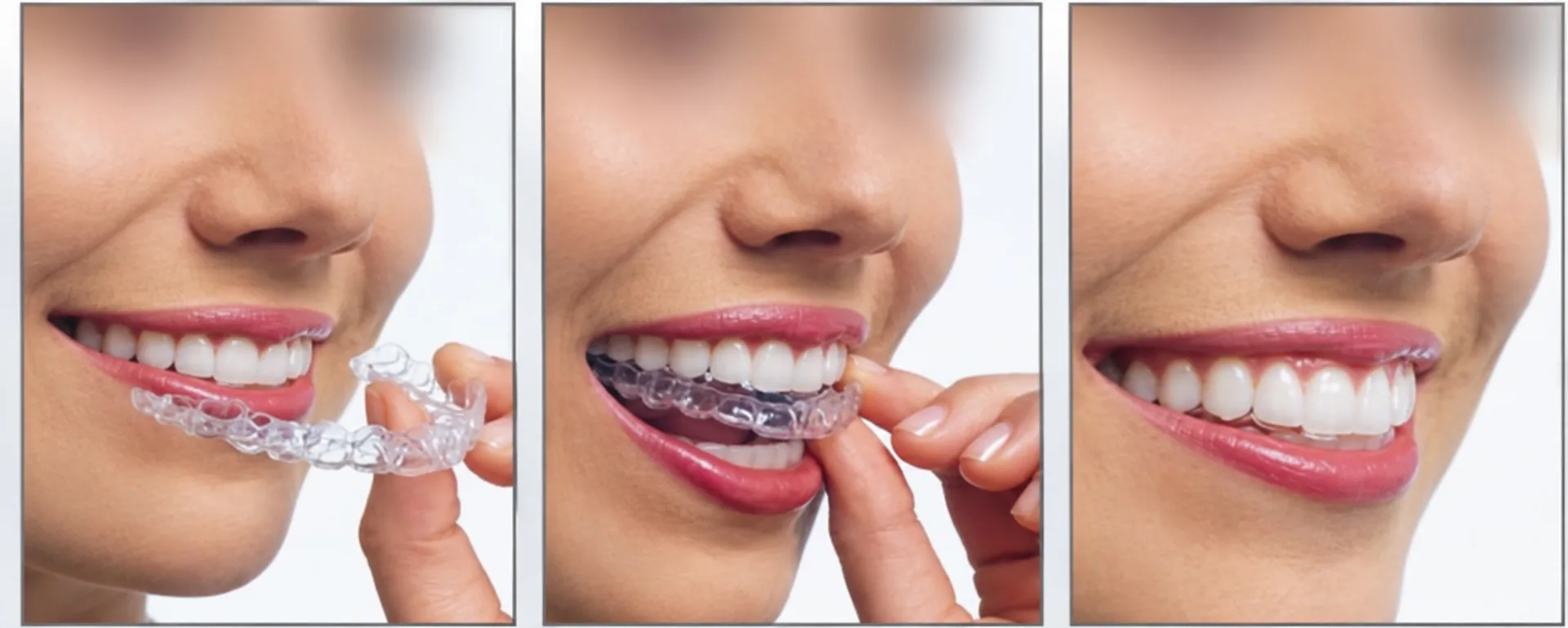
Clear aligner treatment is an orthodontic method that uses custom-made, removable, transparent aligners to gradually move teeth into their planned positions. Learn about the benefits, suitability, and treatment process of clear aligners.
Clear Aligner Orthodontic Treatment
Clear aligners are custom-made, removable orthodontic appliances used to correct tooth alignment and bite relationships.
These thin, transparent trays fit closely over the teeth, allowing orthodontic treatment to be carried out with a less noticeable appearance compared with conventional braces.
The goal of clear aligner treatment is not simply to straighten teeth. A comprehensive evaluation of the teeth, jaws, and facial structures is essential to establish appropriate bite relationships and develop a treatment plan tailored to each patient’s individual needs.
How Do Clear Aligners Work?
Clear aligner treatment involves a series of custom-made aligners that are changed at prescribed intervals according to a digitally planned orthodontic treatment sequence.
Each aligner represents a particular stage of the planned tooth movements. As the aligners are worn in sequence, the teeth are gradually guided toward their intended positions.
To support certain tooth movements, small tooth-colored attachments may be bonded to the teeth. Depending on the treatment plan, elastics or other auxiliary orthodontic appliances may also be required.
Features of Clear Aligner Treatment
Discreet Appearance: Because of their transparent design, clear aligners are less noticeable when worn. This may be particularly appealing to patients concerned about the appearance of orthodontic appliances.
Removability: Aligners can be removed during meals and oral hygiene routines, making toothbrushing and flossing easier compared with fixed braces.
Convenience in Daily Life: Their thin, custom-made design may offer practical advantages in everyday activities. However, temporary pressure or mild changes in speech may occur when treatment begins.
Digital Treatment Planning: Digital impressions and imaging techniques can be used to plan tooth movements. However, achieving the predicted movements depends on clinical monitoring and patient compliance.
Who Is Suitable for Clear Aligner Treatment?
Clear aligners may be used to treat crowded teeth, spacing problems, and certain bite irregularities.
Treatment options are available for children, adolescents, and adults. However, not all orthodontic problems can be treated with the same degree of predictability using clear aligners.
In cases involving complex tooth movements or significant skeletal jaw discrepancies, alternative orthodontic approaches or combined treatments may be necessary.
Suitability for clear aligner treatment should therefore be determined through a comprehensive orthodontic examination and individual assessment.
How Does Clear Aligner Treatment Progress?
Examination and Assessment: During the initial consultation, tooth positions, jaw relationships, bite characteristics, and facial structures are evaluated. Necessary diagnostic records are obtained to determine suitable orthodontic treatment options.
Digital Records and Planning: Intraoral scanning or other impression techniques are used to obtain dental records. These records help plan tooth movements and the stages of aligner treatment.
Aligner Fabrication: Custom-made aligners are produced according to the treatment plan.
Wearing the Aligners: Aligners must be worn consistently for the duration recommended by the orthodontist, generally around 20–22 hours per day. The schedule for changing aligners depends on the individual treatment plan.
Regular Check-ups: Tooth movements and aligner fit are monitored throughout treatment. The treatment plan may be adjusted, or additional aligners may be required.
Retention Phase: After active treatment is completed, suitable retainers are used to help maintain the corrected positions of the teeth.
What Should Patients Consider When Wearing Clear Aligners?
Patient cooperation and consistent aligner wear are essential for treatment progress.
Aligners should be removed during meals and when drinking beverages other than water. Oral hygiene should be maintained before reinserting the aligners.
Aligners should be cleaned using appropriate methods and stored in their protective case when not in use.
Attending scheduled orthodontic appointments is important for evaluating aligner fit and monitoring treatment progress.
Clear Aligners or Fixed Orthodontic Treatment?
Clear aligners and fixed braces are different approaches to orthodontic treatment.
Both methods have their own advantages and limitations. The choice should be based not only on aesthetic preferences but also on the patient’s dental and jaw structures, the nature of the orthodontic problem, the required tooth movements, and the patient’s ability to follow treatment instructions.
The most important factor in orthodontic treatment is not the appliance itself, but an accurate diagnosis and a treatment plan tailored to each patient’s individual needs.